
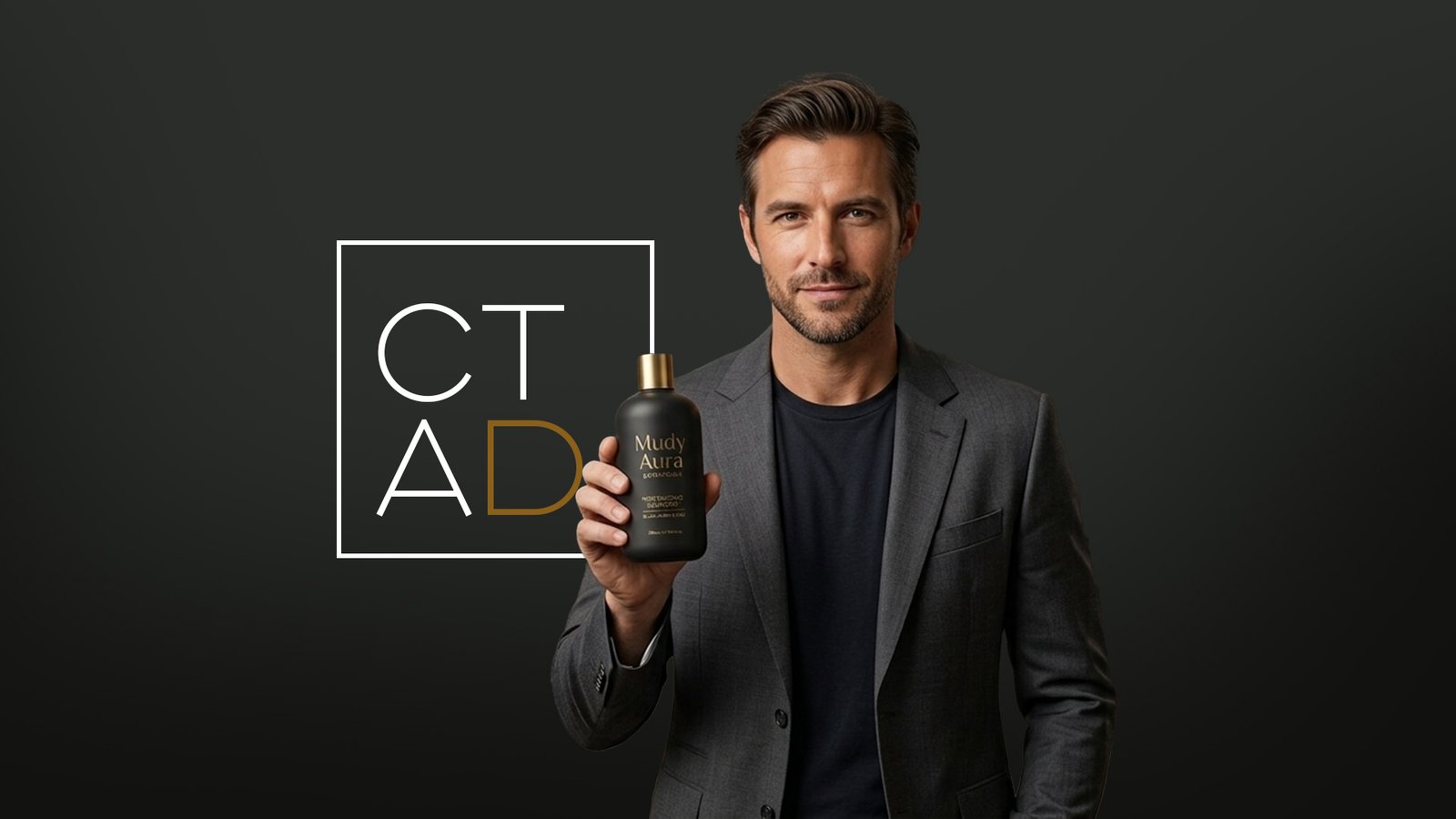
Walk down any supermarket aisle and you’ll find shampoos ranging from ₹100 to ₹2,000. Different bottles, different promises, different celebrity endorsements.
But here’s the interesting part: the biggest difference isn’t always what’s inside the bottle. Quite often, it’s the story wrapped around it.

As someone who works in design and branding, I’ve always been fascinated by how similar products can command dramatically different prices.
Most shampoos share a common foundation of water, cleansing agents, conditioning ingredients, fragrances, and preservatives. Formulations certainly vary, and premium brands may invest more in research, testing, and ingredient quality. Yet consumers rarely buy a shampoo by analyzing its chemistry.
They buy perception.
🎬 The Mr. Khan Effect
Imagine two brands selling a similar shampoo.

💻 It’s Not Just a Shampoo Story
This happens everywhere.
In software. In consumer electronics. In fashion. In learning platforms. In consulting services.
Many products compete on similar capabilities. The winners often differentiate through better design, stronger trust, simpler experiences, and more compelling brand positioning.
People don’t buy features alone.
- ✅ Confidence
- ✅ Trust
- ✅ Identity
- ✅ Status
- ✅ Convenience
- ✅ Meaning
💡 The Real Lesson
The lesson isn’t that premium products are fake.
The lesson is that value is often created in more places than we realize.
Ingredients matter. Quality matters. Performance matters.
But so do design, storytelling, trust, and perception.
That’s why two products with similar foundations can command dramatically different prices in the marketplace.
People don’t just buy products.
They buy stories, experiences, and meaning.
And the brands that understand this best rarely compete on ingredients alone.
They compete on how people feel.
🤔 Question
What’s the best example you’ve seen where branding and design created more perceived value than the product itself?
Part 2 coming soon…
#Branding #MarketingStrategy #ConsumerPsychology #DesignThinking #CustomerExperience #BusinessStrategy #UXDesign #ThoughtLeadership
No responses yet